
Index
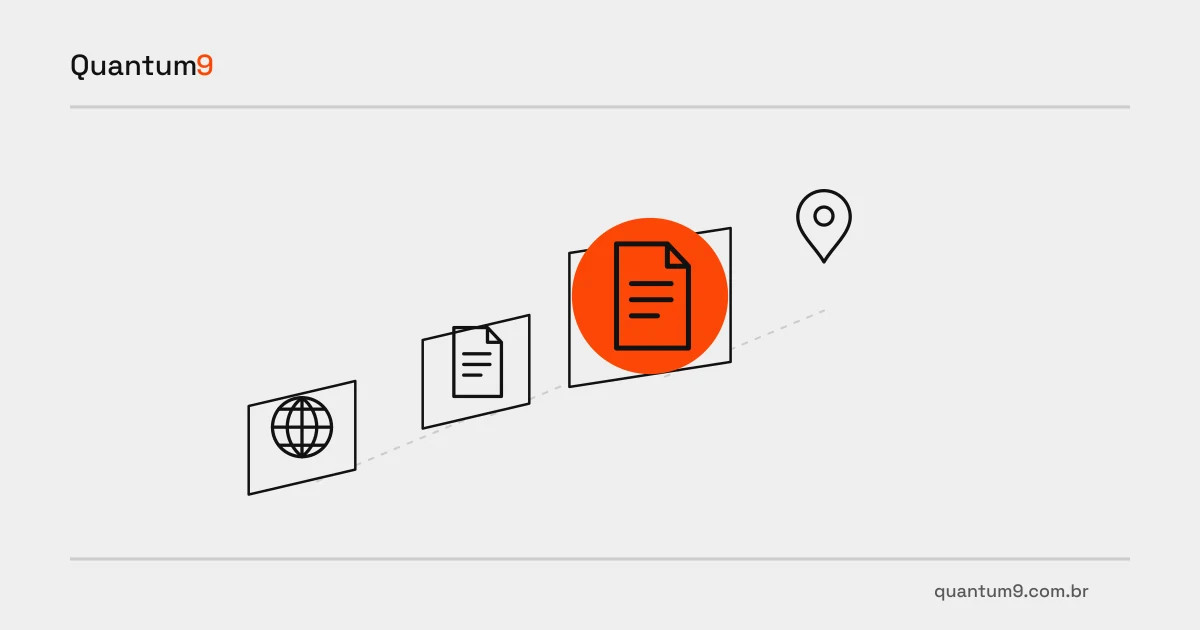
Translating a URL does not ensure the language switcher reaches the corresponding page. Services named differently in Portuguese, English and Spanish need an explicit relationship. Buyers should not lose the offer they were evaluating.
Choose the operating model before requesting a quote
Compare an equivalence map with URLs constructed by replacing prefixes. Maps need editorial maintenance but represent real exceptions. Prefix replacement works only when routes share stable structure and identifiers.
The map must include paths reached through old links. Editorial changes may alter a slug in one language without changing others. Preserve content relationships and test destinations after redirects so buyers are not unexpectedly returned to the homepage midway through evaluating a specific commercial service or product.
Requirements to include in the proposal
- Identify equivalent content instead of relying on similar URL spellings
- Preserve the commercial page being evaluated when switching website languages
- Explain missing-translation fallback without pretending an unavailable version exists
An acceptance test for this specific purchase
Visit a hypothetical Portuguese service, switch to English and then Spanish. Testing must reach the same service, retain coherent language relationships and explicitly handle a translation that is not yet available.
Reference for assessing scope
Official documentation for evaluating this scope
Prepare your project with Quantum9
Bring Quantum9 the current process and an anonymized example of this issue. Discovery compares available configuration with necessary development and defines a scope your operations team can actually verify.