
Index
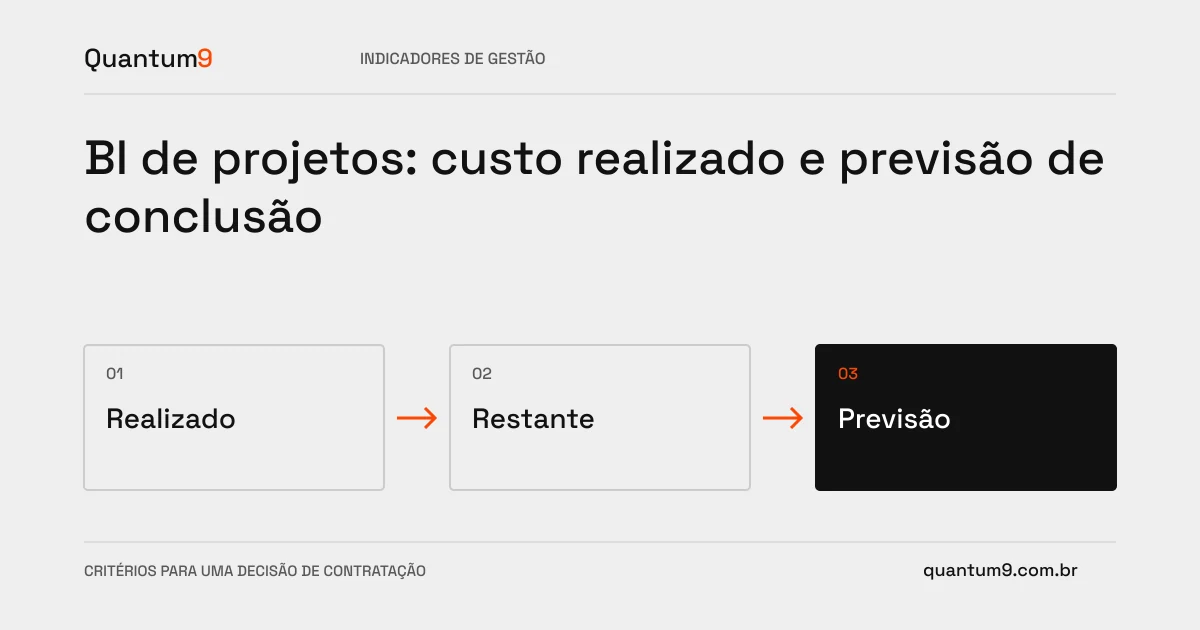
A project may be within budget and still have too much work to complete. The dashboard needs to combine realized cost, verifiable progress, and estimate of remaining effort.
How to evaluate this decision
Define how costs are assigned and how progress is recognized. Percentages reported without criteria can create a false sense of control. Separate original budget, approved revisions, and current forecast. The comparison should indicate changes in scope and dependencies, allowing you to understand why the estimate changed.
Criteria for comparing proposals
- Costs: link expenses and effort to the project with rules for sharing between fronts.
- Progress: Use verifiable deliverables or milestones, avoiding automatically converting time spent into progress.
- Forecast: record assumptions and review date of remaining work.
A scenario to discuss with the supplier
Hypothetical example: Most hours have been consumed, but a critical integration has not yet been validated. The dashboard should make this risk visible rather than showing progress proportionate to the budget spent.
What to validate upon delivery
Reconcile costs with the source and review the forecast with those responsible for the milestones. Test scope changes and blank periods to identify gaps.
Prepare the conversation about the project
Quantum9 can structure the model and integrate project and financial sources. Provide advancement criteria and expected decisions so that the panel serves management, not just presentation.
Data and BI · Map the company's priority