
Index
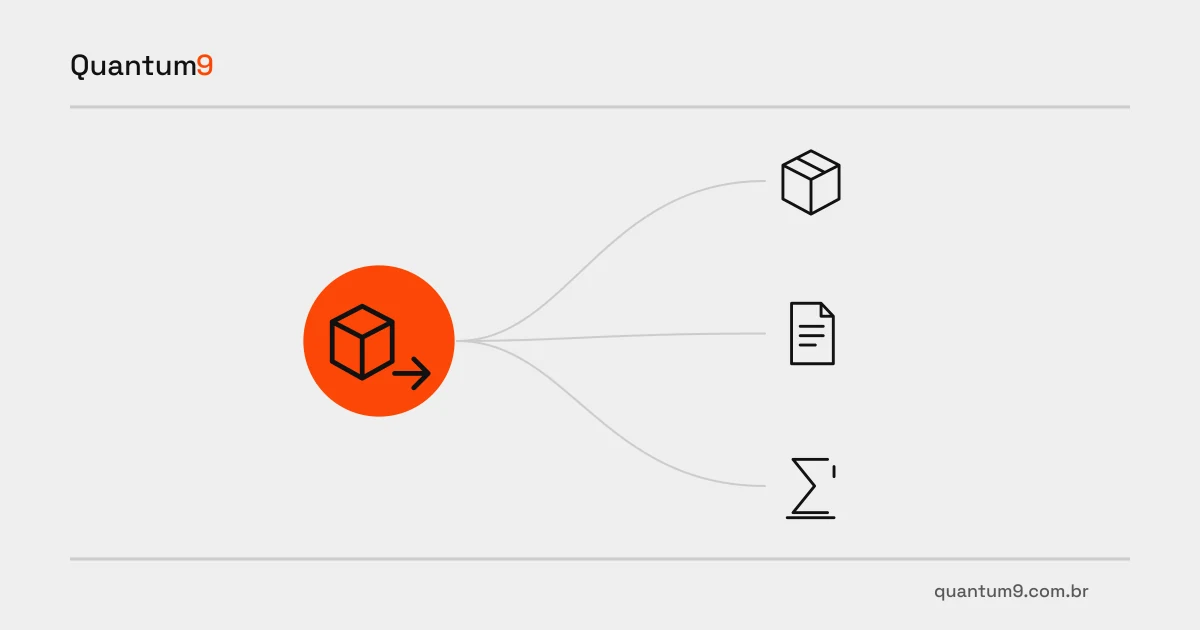
Shipments serve several order lines. Joining tables can repeat the same cost on each line and inflate totals. Distinguish original costs from optional allocation used to compare products.
Choose the operating model before requesting a quote
Compare shipment-level views with allocation approved on operational bases. Shipments preserve origins; allocation answers other questions and needs criteria, exceptions and reconciliation. Responsible teams define policies; reports must not automatically decide one distribution is correct for every use.
Costs may arrive at shipment, order or package level. Relationships must show lines sharing the same origin and how they total. Do not choose allocation merely because it is easy to implement; validate with analysis owners and document the operational question the calculation answers without turning a reporting convention into an assumed accounting policy.
Requirements to include in the proposal
- Preserve cost grain before joining items and shipment records
- Document approved distribution criteria wherever allocation is used
- Reconcile totals to sources across partial and multiple deliveries
An acceptance test for this specific purchase
Use a hypothetical shipment with three lines and another partial delivery. Preserve distinct costs, reconcile totals and identify portions assigned to items without multiplying shipment costs by the number of relationships.
Reference for assessing scope
Official documentation for evaluating this scope
Prepare your project with Quantum9
Bring Quantum9 the current process and an anonymized example of this issue. Discovery compares available configuration with necessary development and defines a scope your operations team can actually verify.