
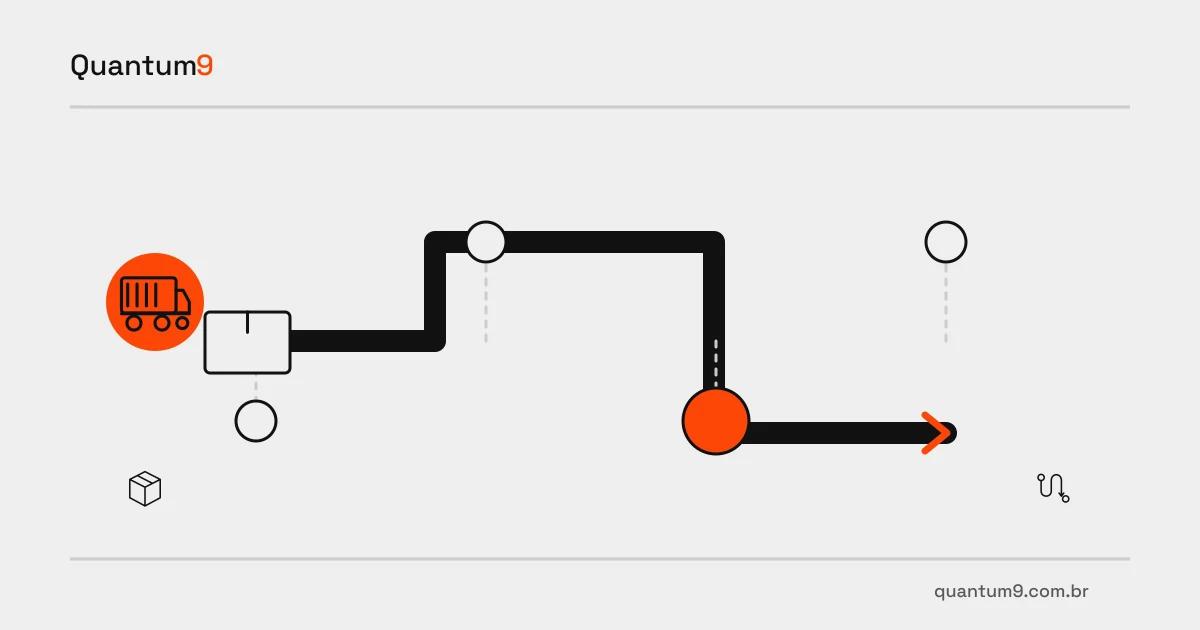
Planning must connect package, destination and intended position while distinguishing delivery sequence from physical loading checks.
Index
Having every package inside a vehicle does not guarantee a workable delivery if the earliest stops are behind the remaining load.
The rule that changes the scope
Planning must connect package, destination and intended position while distinguishing delivery sequence from physical loading checks.
Routing software organizes stops; a custom application adds physical load restrictions and review during loading.
Physical position also depends on actual vehicle and material restrictions. Software organizes the agreed plan rather than replacing professional load and transport assessment. A first release may simply associate packages with sequence and record checking. Include a delivery canceled after loading: the route changes, but not every package necessarily needs removal. The interface should show the outstanding decision and the owner responsible for reorganizing the load.
Specify operational deliverables
- Associate each package with its destination and position for the planned sequence.
- Show route changes that require checking an already loaded arrangement.
- Record an exception accepted by its owner without hiding the original unloading plan.
Test the exception before acceptance
In a hypothetical scenario, a stop is added after loading; checking must show which packages need repositioning before departure.
Reference for assessing scope
NN/g: writing task scenarios for usability testing
Prepare your project with Quantum9
Bring a route and a load where destination order required rearrangement.