
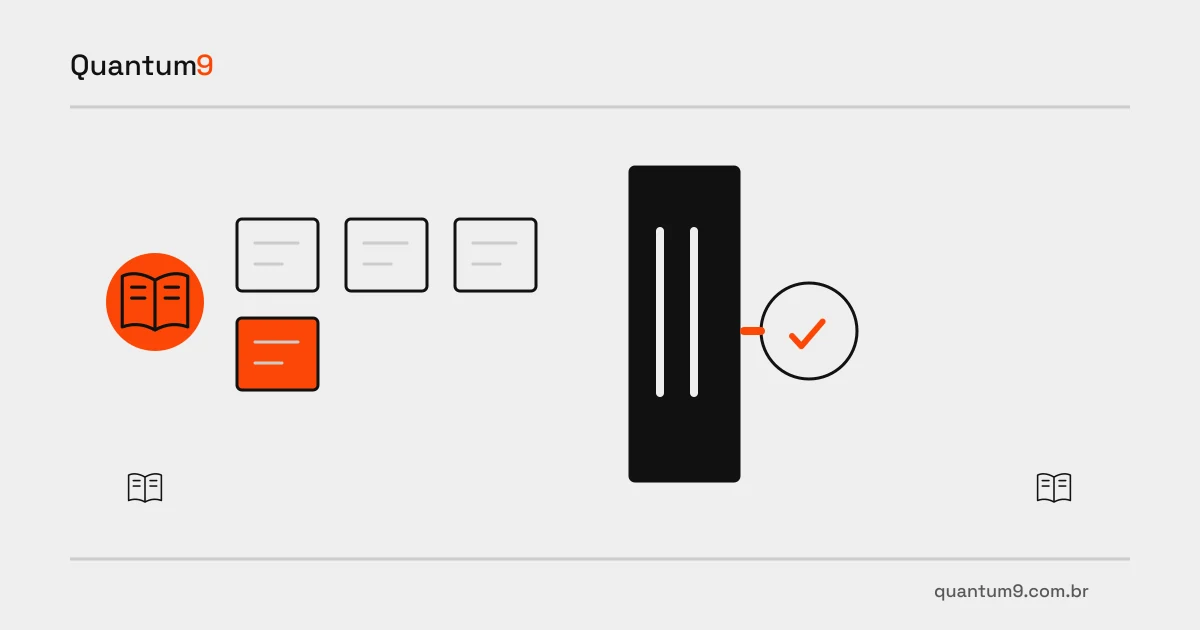
The dossier must distinguish document presence, content review and closure authorization for each asset or work area.
Index
Receiving every file does not mean a technical package has been accepted; small outstanding items can block an installation handover.
The rule that changes the scope
The dossier must distinguish document presence, content review and closure authorization for each asset or work area.
A shared library handles storage; a custom module adds a required-document matrix and package-level review.
The document matrix should start with the actual project contract rather than a universal list invented by the software supplier. Different assets may need different sets, and one document can cover several items. Define how staff see that coverage and who may change a requirement. Dossier closure should also identify acceptance with an exception instead of presenting that exception as an absent document or silently hiding it.
Specify operational deliverables
- Associate each asset with the document list agreed for that project's contract.
- Show which outstanding item prevents package closure without blocking already reviewed files.
- Keep the approved version and allow a replacement with an identifiable reason.
Test the exception before acceptance
In a hypothetical scenario, an updated manual arrives after package approval; replacing it should reopen only the affected review and preserve the history.
Reference for assessing scope
NN/g: writing task scenarios for usability testing
Prepare your project with Quantum9
Bring a dossier index and a handover that had to return to the technical team.