
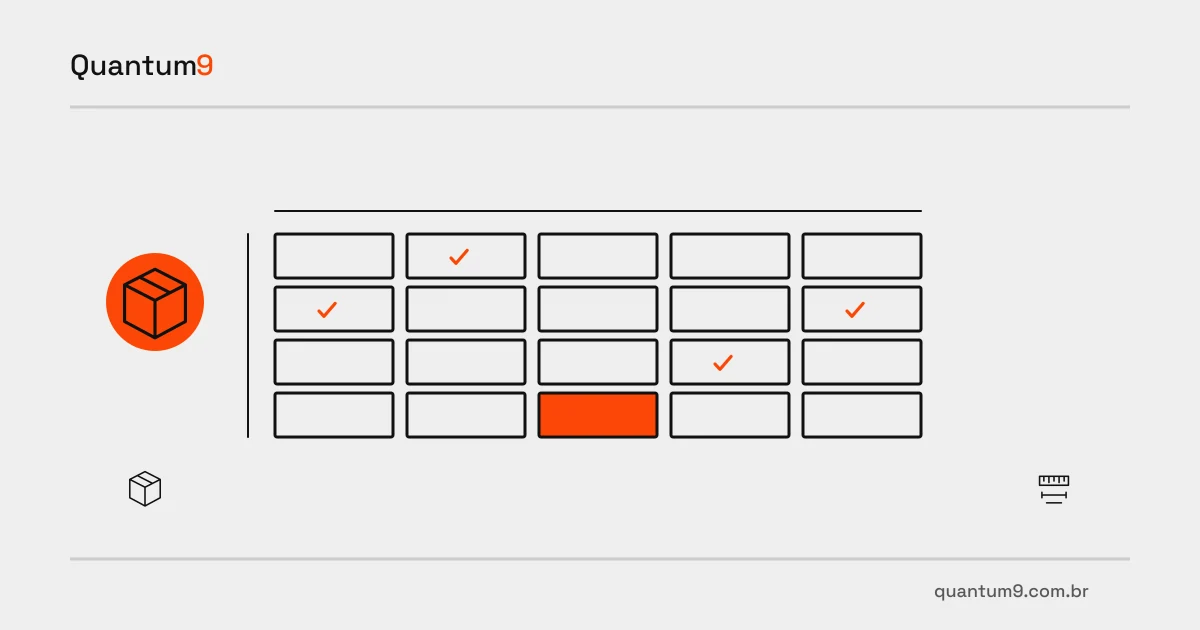
The decision must link observations, selected samples and the received batch using inspection criteria defined by the business.
Index
Inspecting a sample and releasing an entire receipt are related but different decisions; the system must make that relationship visible.
The rule that changes the scope
The decision must link observations, selected samples and the received batch using inspection criteria defined by the business.
A form can collect measurements; a custom application organizes samples, retests and decisions without scattered files.
Software organizes records but does not independently determine statistical sample validity or technical criterion suitability. Those decisions must come from the business owner. Separate the inspection form from the receipt decision when comparing quotes. An editable measurement table should retain corrections and identify which set the approver used, including values that remained outside the agreed criterion rather than displaying only the most favorable latest result.
Specify operational deliverables
- Identify which units were checked and the receipt they belong to.
- Separate observed values, the criterion applied and the reviewer's interpretation.
- Record a retest as new evidence rather than overwriting the inspection that caused rejection.
Test the exception before acceptance
In a hypothetical scenario, the initial sample is rejected and another examined; the receipt must not appear approved simply because the latest form passed.
Reference for assessing scope
NN/g: writing task scenarios for usability testing
Prepare your project with Quantum9
Bring an anonymized inspection, the internal criterion and the sequence followed after discrepancies.